Rechargeable vape wear, what really ages over weeks
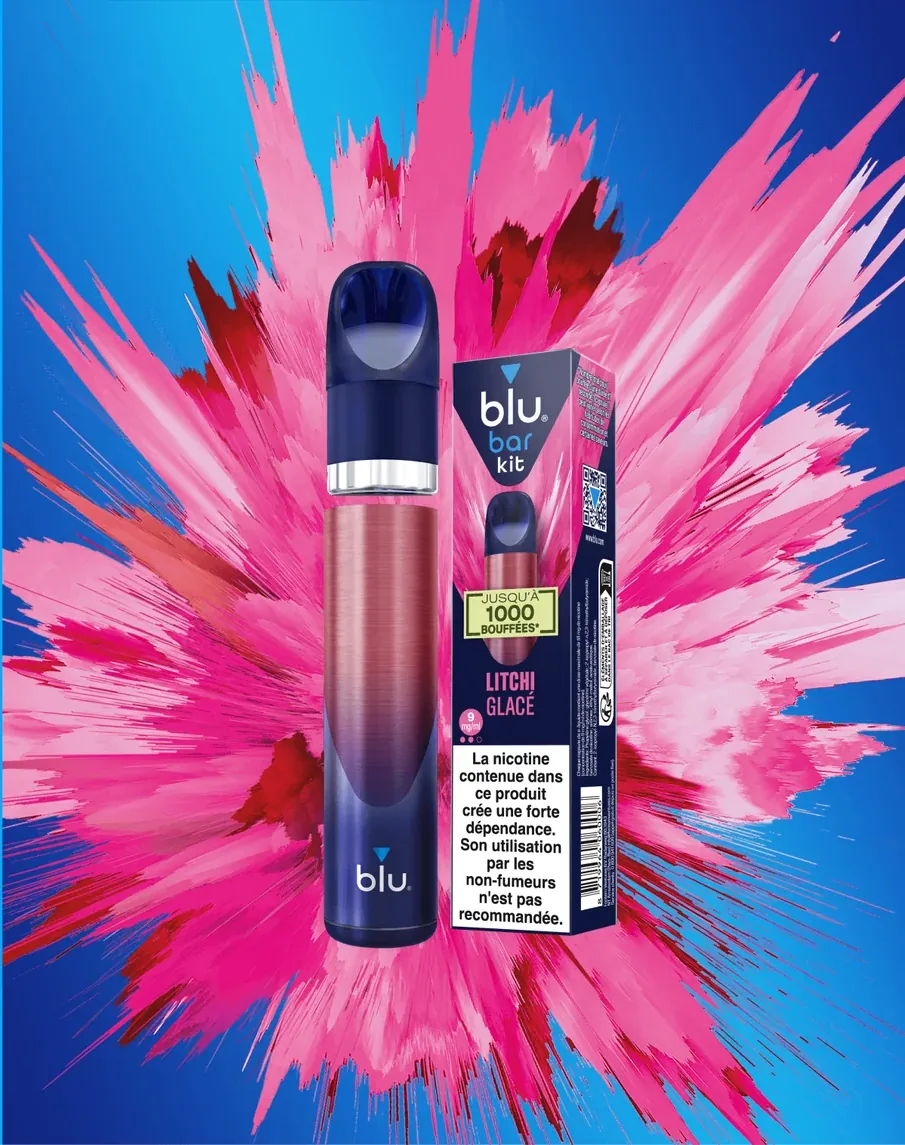
A review written on unboxing day tells you very little. A rechargeable vape is best judged after several weeks, once the battery has taken its first cycles, the mouthpiece has been handled a hundred times and condensation has had time to settle in. So we looked at what actually degrades on capsule devices over that stretch, and at what does not move at all.
What changes on a rechargeable vape and what does not
On a capsule rechargeable vape, three things evolve over time. The first is how well the battery holds its charge, the second is how clean the contact between capsule and battery stays, and the third is the state of the mouthpiece. Everything else, from the chassis to the firing electronics and the locking, shows no drift over that period.
That follows directly from the architecture. The part that wears, the coil, is built into the capsule and leaves with it. Where a conventional tank ages through its coil, a capsule device renews that component at every change.
The question carries more weight in the UK than it once did. Since 1 June 2025, single-use vapes can no longer be sold or supplied in the United Kingdom, so the device in your pocket is expected to last. What wears on it deserves a closer look than a first-day impression can give.
Battery endurance, the part to watch
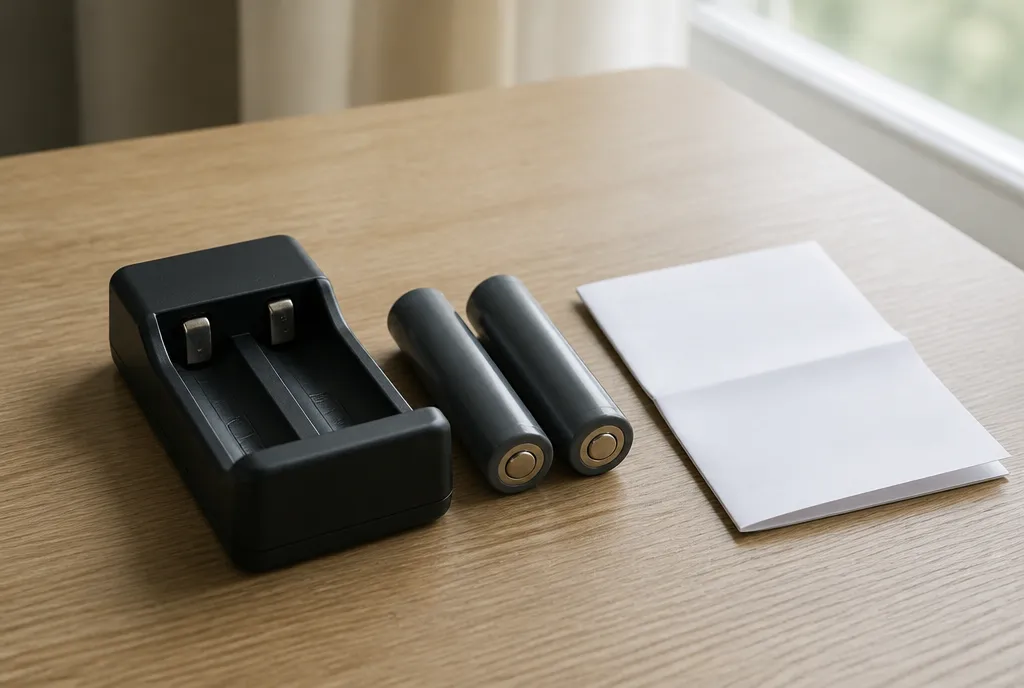
A lithium battery loses capacity over its full charge cycles, whatever the device. On small formats the effect shows sooner, because the reserve is modest to begin with.
The capsule devices we followed give an idea of the scale. The smallest carried 400 mAh, with a stated battery life of around eight hours of moderate use, and the two others 550 mAh and 560 mAh. Those figures can vary with how much and how often you vape, so treat them as a frame rather than a promise.
The habit that counts is a simple one. Avoid repeated full discharges. Recharging before the device cuts out, rather than after, reduces the number of full cycles and spreads the loss of capacity over a much longer period.
Charging speed belongs to the same picture. On the models we followed, the smallest device recharged in about thirty-five minutes and offered a power-saving mode, while the two larger ones needed around sixty minutes. A short top-up in the middle of the day is therefore easy to fit in, and that is exactly what keeps a battery away from the bottom of its range.
It also pays to keep the device away from strong heat, such as a car dashboard in summer or a spot on a radiator. Lithium cells dislike high temperatures, and a battery that is already small has little capacity to spare.
The capsule contact, the wear you do not see
This is the most neglected point, and the one behind the most false diagnoses. A film of condensation on the contacts shows up as a capsule that is not recognised properly, an LED that blinks, or a puff that produces no vapour.
The symptom looks like a fault, but it is only fouling. A dry cotton bud run around the housing once a week is enough to prevent it. On a model with a magnetic capsule mount, cleaning is immediate and needs no dismantling at all.
Conversely, a flashing red LED signals a badly inserted capsule, not a tired battery. Confusing the two leads people to replace a device that has nothing wrong with it. The same habit of cleaning before blaming the battery is worth keeping on other cartridge pods, such as the Kiwi 2.0 we reviewed over several weeks.
Before deciding that a device has failed, run through three quick checks in this order.
- Wipe the contacts in the capsule housing with a dry cotton bud.
- Take the capsule out, seat it again firmly and watch the LED.
- Put the device on charge for a few minutes, then try again.
Only when all three leave the symptom unchanged is it worth suspecting the battery itself.
The mouthpiece, the most handled part
The mouthpiece takes knocks in pockets and between teeth. On models where it is moulded into the capsule, it is renewed at every change, so in practice it never really ages.
That is a quiet advantage of sealed formats, where a translucent mouthpiece also lets you track how much liquid is left. On a device with a refillable tank, plan for a replacement instead, since the same drip tip stays with you for months.
Capsule size is worth a glance too. The two larger devices we followed run 2 ml capsules, which is also the ceiling that the Tobacco and Related Products Regulations 2016 set in the UK for any tank or cartridge used with nicotine e-liquid.
How each rechargeable vape we followed held up
Three devices, three behaviours. The smallest, with a ceramic chamber, a thirty-five minute charge and a power-saving mode, coped best with heavy use, because it went through fewer full cycles and therefore wore less.
The two larger ones, both driven by a third-generation mesh and running the same 2 ml capsules, sit in the same register, with a recharge of around sixty minutes. Their weak point is not wear but an accessory, since the USB-C cable is not included in the box.
The lesson reaches beyond these three models. On any capsule device, the charging pattern matters more than the battery figure printed on the box. Before choosing, compare battery capacity and charging time, and pick the format that matches the rhythm at which you can realistically recharge.
Frequently asked questions
A few practical questions remain once the wear points are clear. Here are the short answers.
How can you tell the battery is wearing out?
The clearest sign is a shorter stretch between charges with the same vaping habits. A blinking LED or a puff without vapour is more often a contact or capsule problem, so clean and reseat before blaming the battery.
Should you wait for the battery to run flat before charging?
No. Recharging before the device cuts out limits the number of full cycles, which is what spreads the loss of capacity over time.
How often should the capsule contacts be cleaned?
Once a week with a dry cotton bud suits most users. Do it more often if you spot condensation in the housing or the capsule stops being recognised.
Can you take a rechargeable vape on a plane?
Yes, in your cabin baggage only and never in the hold, with any spare batteries protected against short circuits. Vaping on board is not allowed.
Is there a nicotine limit on capsule refills in the UK?
Yes. Under the Tobacco and Related Products Regulations 2016, nicotine e-liquid is capped at 20 mg/ml and a tank or cartridge holds 2 ml at most. Products are notified to the MHRA before they are placed on the market.
Rechargeable vape wear, what several weeks reveal
A capsule device ages little, and rarely where you expect it to. The battery loses ground slowly, the contacts foul quickly but clean in ten seconds, and the mouthpiece renews itself with every capsule. The one real driver of wear is the way you recharge, which makes it a habit worth building in the very first week.
Look after the charging and the contacts, and a rechargeable vape will feel much the same after several weeks as it did on the first day.
Related reading
- Our iStick Pico review, where a removable 18650 cell changes the whole ageing question
- The Justfog Q16 Pro Plus after weeks of use, a refillable kit judged over the same long stretch
Editorial content for adult readers. Nicotine is a highly addictive substance and vaping products are not for sale to under-18s in the United Kingdom. Vaping is not recommended for people who do not smoke, and this article is not a buying recommendation.
More reviews to read
Lost Vape Centaurus BT200 review, what buyers report after unboxing
14.1/20Our Lost Vape Centaurus BT200 review, what buyers praise, three snags reported after purchase, where the listings disagree and our score.

Vaporesso Swag review, three generations of 80 W mod
13.6/20Our Vaporesso Swag review, from the 2017 Swag to the Swag PX80, what sets the three versions apart, their coils and our summary score.
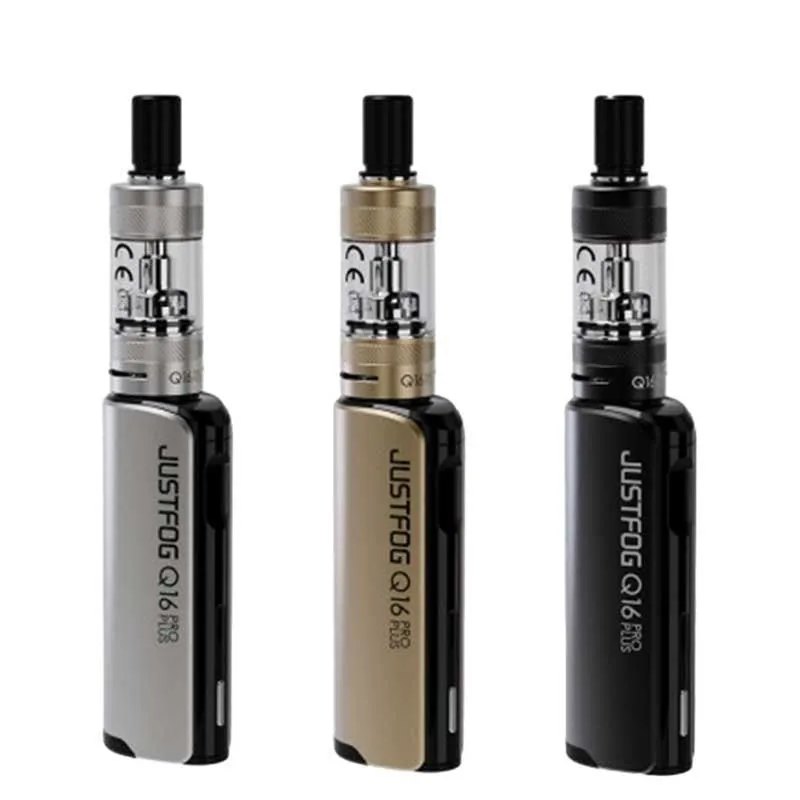
Justfog Q16 Pro Plus review after weeks as a daily kit
16/20Justfog Q16 Pro Plus review after weeks as our only device, who its four power levels suit, what works, what grates and our score out of 20.